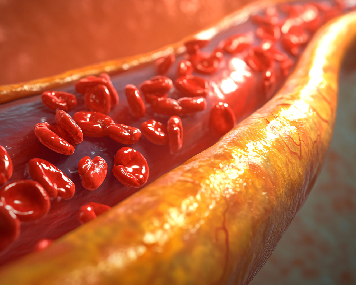
Hyperlipidemia is a medical term for abnormally high levels of fats (lipids) in the blood. They also come directly from your diet in foods such as red meat and high-fat foods. A diet high in refined sugar, fructose, and alcohol raises your cholesterol.
Hyperlipidemia is treatable, but it's often a life-long condition. You may need to take a prescription medication. The goal is to lower the harmful cholesterol levels (LDL and Triglycerides). Doing so can reduce your risk of heart disease, heart attack, stroke, and other problems. HDL is a good cholesterol and healthy diet and exercise is the key to keep the HDL in the normal range.

Cholesterol, a waxy substance, is a type of fat your body makes. It can also come from what you eat. Foods that have cholesterol, saturated fat, and trans fats can raise your blood cholesterol level.
The treatment should begin with exercise, weight loss, a low-fat diet and, if applicable, diabetes management. In most cases, diet and exercise alone is not sufficient.
Anti-cholesterol medications (statins) taken orally, usually once a day, are extremely effective in lowering LDL and VLDL cholesterol levels. Success is monitored by periodic blood tests. The most common side effects of statins are intolerable muscle and joint aches. There are multiple FDA-approved statins, so trying another one is usually suggested before giving up. Statins may cause cognitive dysfunction, but their benefits typically outweigh the risks.
If statins don’t work for you due to side effects or insufficient results, your physician may recommend PCSK9 inhibitors. These injectable drugs can lower cholesterol by 60% more than statins. However, they are expensive and not yet recommended as first-line therapy.