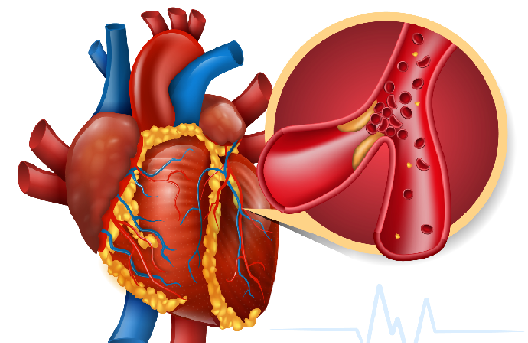
Coronary Artery Disease

Coronary Artery Disease

Coronary Artery Disease

Coronary artery disease (CAD) is the most common type of heart disease in the United States. It is sometimes called coronary heart disease or ischemic heart disease. You and your health care team may be able to help reduce your risk for CAD.

  • CAD is caused by plaque buildup in the coronary arteries, reducing blood flow to the heart.
  • It can lead to chest pain, heart attack, or stroke if not treated properly.

Symptoms

If your coronary arteries narrow, they can't supply enough oxygen-rich blood to your heart – especially during exertion. At first, the decreased blood flow may not cause any symptoms.

Chest Pain

Chest pain (angina)

You may feel pressure or tightness in your chest, as if someone were standing on your chest. This pain, called angina, usually occurs on the middle or left side of the chest. Angina is generally triggered by physical or emotional stress. The pain usually goes away within minutes after stopping the stressful activity. Your physician will either get stress test or left heart catheterization based on your history.

Shortness of Breath

Shortness of breath

If your heart can't pump enough blood to meet your body's needs, you may develop shortness of breath or extreme fatigue with activity. You will need further assessment of the possible causes of shortness of breath including CAD.

Heart Attack

Heart attack

If your heart can't pump enough blood to meet your body's needs, you may develop shortness of breath or extreme fatigue with activity. You will need further assessment of the possible causes of shortness of breath including CAD.