

A heart rhythm problem (arrhythmia) can make your heart beat too fast or in an irregular pattern. It may be the result of an abnormal function of the cells or abnormal electric circuit. It may cause bothersome symptoms, such as an irregular heartbeat, dizziness, shortness of breath, chest pain, or fainting. Catheter ablation is a treatment available to treat your arrhythmia. This non-surgical procedure destroys the cells that are causing the problem.
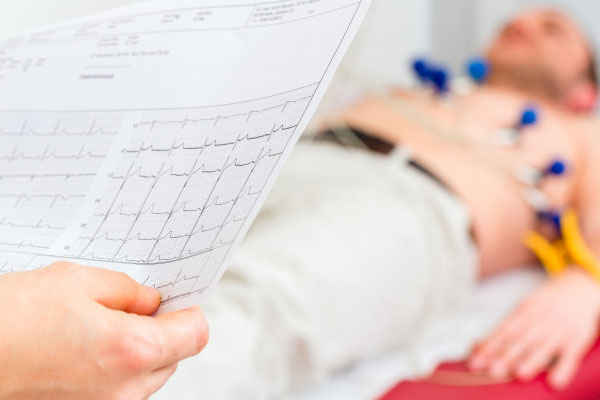
Before your catheter ablation, you will meet with a specially trained heart rhythm specialist (cardiac electrophysiologist) who will do the procedure. Follow your physician's instructions regarding medications pre-procedure. Let your physician know daily medicines, such as insulin or blood thinners. Some of these medications may need to be adjusted for the procedure. Inform them your allergies. Follow the instructions for the blood work and other tests needed prior to the procedure. Do not eat or drink anything 8-12 hours before the procedure. You may be able to take your other medications with sip of water when you are fasting for the procedure.
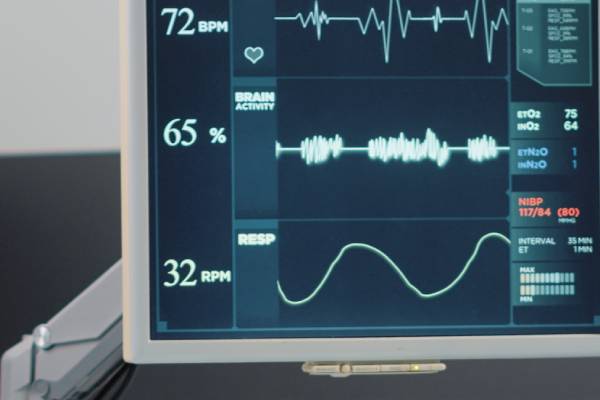
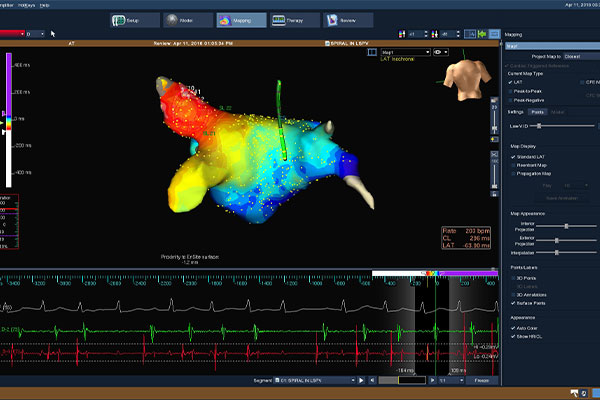
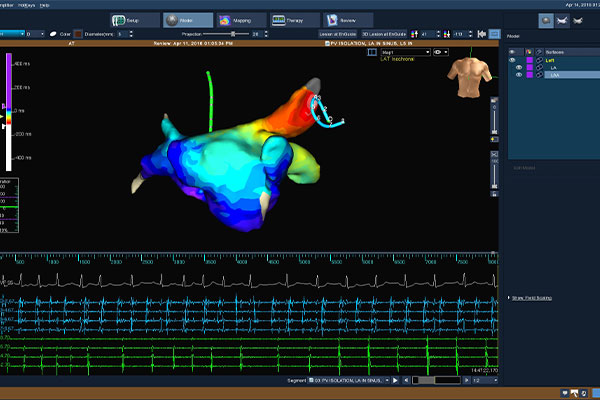
Catheter ablation uses thin, flexible wires (catheters with electrodes) to treat the arrhythmia (ablate). During the procedure, the heart's signals are mapped. Electrophysiology study (EPS) is done to find the abnormal arrhythmia. During this study, your physician will try to reproduce (induce) your arrhythmia. An electrical map of the heart using the mapping system is then created. This shows the type of arrhythmia and helps to understand the mechanism of the arrhythmia. Using the map as a guide, the physician will then decide about the ablation. Problem areas are destroyed using heat or cold therapy. Once the EPS shows where the problem is, the doctor threads an electrode catheter through a blood vessel to that area in the heart. Energy is sent through the catheter to destroy the problem cells. The heart's rhythm is tested again. After ablating the problem cells, the doctor tries to reproduce (reinduce) your arrhythmia. If arrhythmia can't be induced, the ablation is a success. But if a fast rhythm does start again, you may need more ablation.
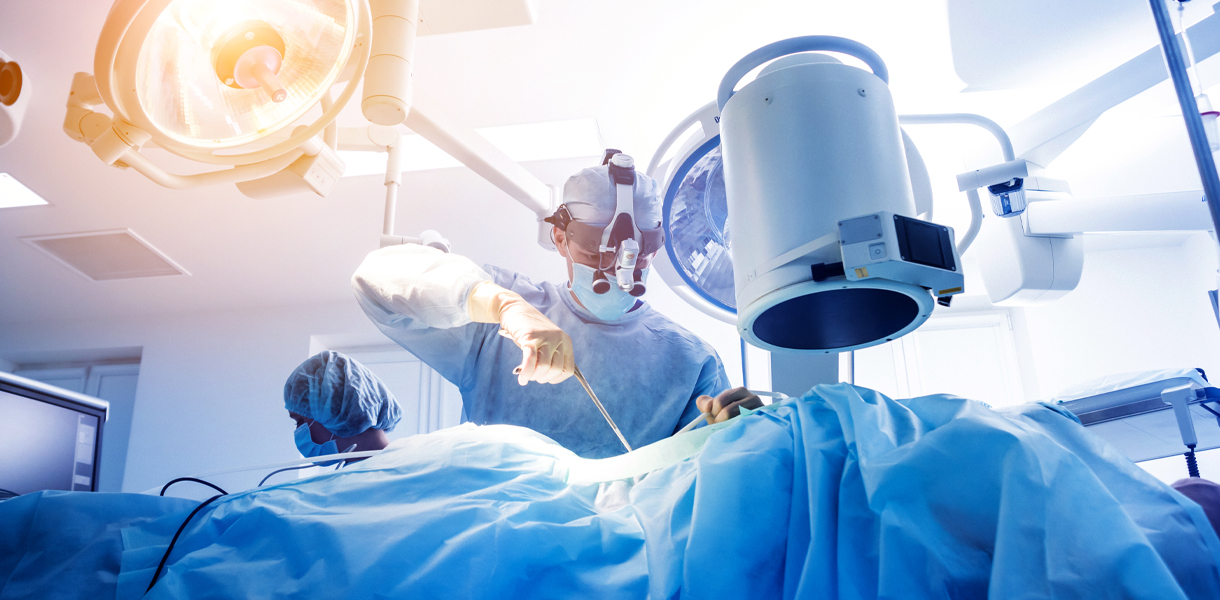

In most cases, catheter ablation is done in an electrophysiology (EP) lab. It often takes 2 to 4 hours, and sometimes longer. You'll receive medication for pain which will also help you relax or sleep during the procedure. Inform the nurse or physician if you are uncomfortable. The EP lab team will get you ready for the procedure by prepping your groin (or rarely, the neck). Any hair in that area may be removed. This is where the catheters will be inserted. An IV (intravenous) line is started in your arm. Medicines and fluids are given through this IV. Your body will be draped with sterile sheets to maintain sterility. Only the area where the catheters will be inserted is exposed. The physician will then numb the skin where the catheters will be inserted with pain medicine (local anesthetic). Then the provider uses a small needle to make punctures in your vein or artery. Then place catheters through these punctures and guide them to your heart using the X-ray monitors. The provider then puts wires in several places in the heart to map the electrical signals. The wires also stimulate the heart. When the procedure is completed, the catheters will be removed. Manual pressure or temporary suture will be placed at the entry site. The suture will be removed in few hours. You're then taken to a recovery room to rest. You'll need to remain lay flat without moving your legs for 4 to 6 hours. This is to make sure the insertion sites do not bleed or cause hematoma

There are risks with all the invasive procedures. We take precautions and try to prevent these possible risks of the procedure.
Your heart rhythm specialist will discuss specific individualized recommendations in regard to your discharge care. The following are general recommendations: